Carbon emission is one of the biggest challenges of our time, but humanity has the power to reverse the damage. By adopting smarter technologies, cleaner energy, and more sustainable habits, we can restore balance to the planet. Below are ten major global solutions to carbon emissions:
One of the most powerful ways to reduce carbon emissions is to move away from fossil fuels and invest in clean energy.
Solar panels, wind farms, geothermal plants, and hydroelectric power produce electricity without releasing toxic chemicals or greenhouse gases.
A world powered by renewables would mean cleaner air, healthier communities, and a more stable climate.
Vehicles are major contributors to air carbon emissions, but the shift to electric cars, buses, and trains is transforming the future.
Encouraging public transportation, cycling, and walking can dramatically cut emissions while improving health and reducing congestion.
Cleaner mobility means cleaner cities and a reduced carbon footprint.
Forests are Earth’s natural air purifiers, absorbing carbon dioxide and releasing oxygen.
Preventing deforestation and restoring lost forests can help combat climate change, protect wildlife, and clean the air.
Reforestation projects around the world are restoring hope and bringing back vital green lungs to the planet.
Industries produce large amounts of waste and emissions, but new technologies offer cleaner solutions.
Using energy-efficient machinery, carbon-capture systems, and strict emission controls can dramatically reduce carbon emissions.
A cleaner industrial system not only protects the environment but also promotes healthier workplaces and sustainable economic growth.
Waste carbon emissions is a growing global problem, especially plastics.
Effective recycling systems, composting organic waste, and safe handling of hazardous materials can reduce environmental damage. When communities reduce, reuse, and recycle, they protect both people and nature from long-term harm.
Plastic carbon emissions affects oceans, animals, and even human health.
Restricting single-use plastics, banning microplastics, and encouraging biodegradable packaging can significantly reduce environmental damage.
When companies and consumers shift to sustainable materials, plastic waste drops dramatically.
Clean water is essential for life, yet polluted waterways threaten millions. Building modern wastewater treatment plants, improving sanitation systems, and preventing industrial dumping can keep rivers, lakes, and oceans healthy. Strong water infrastructure protects ecosystems and ensures safe drinking water for all.
Modern farming often relies on chemicals that pollute soil and water, but sustainable agriculture offers a better path.
Organic farming, reduced pesticide use, crop rotation, and regenerative practices improve soil health and reduce carbon emissions.
These methods produce nutritious food while protecting the environment for future generations.
Urban areas are hotspots of carbon emissions, but thoughtful city planning can transform them.
Planting trees, building green roofs, and creating more parks all help filter air and reduce heat.
Green spaces also make cities more beautiful and livable, supporting both mental and physical well-being.
Lasting change requires cooperation.
Strong international laws, environmental protection policies, and public awareness campaigns can drive global action.
Education empowers people to make informed, eco-friendly choices, ensuring that the fight against carbon emissions becomes a shared responsibility across generations.
Carbon Capture and Removal technologies focus on physically removing carbon dioxide CO2 from the atmosphere or from large industrial point sources.
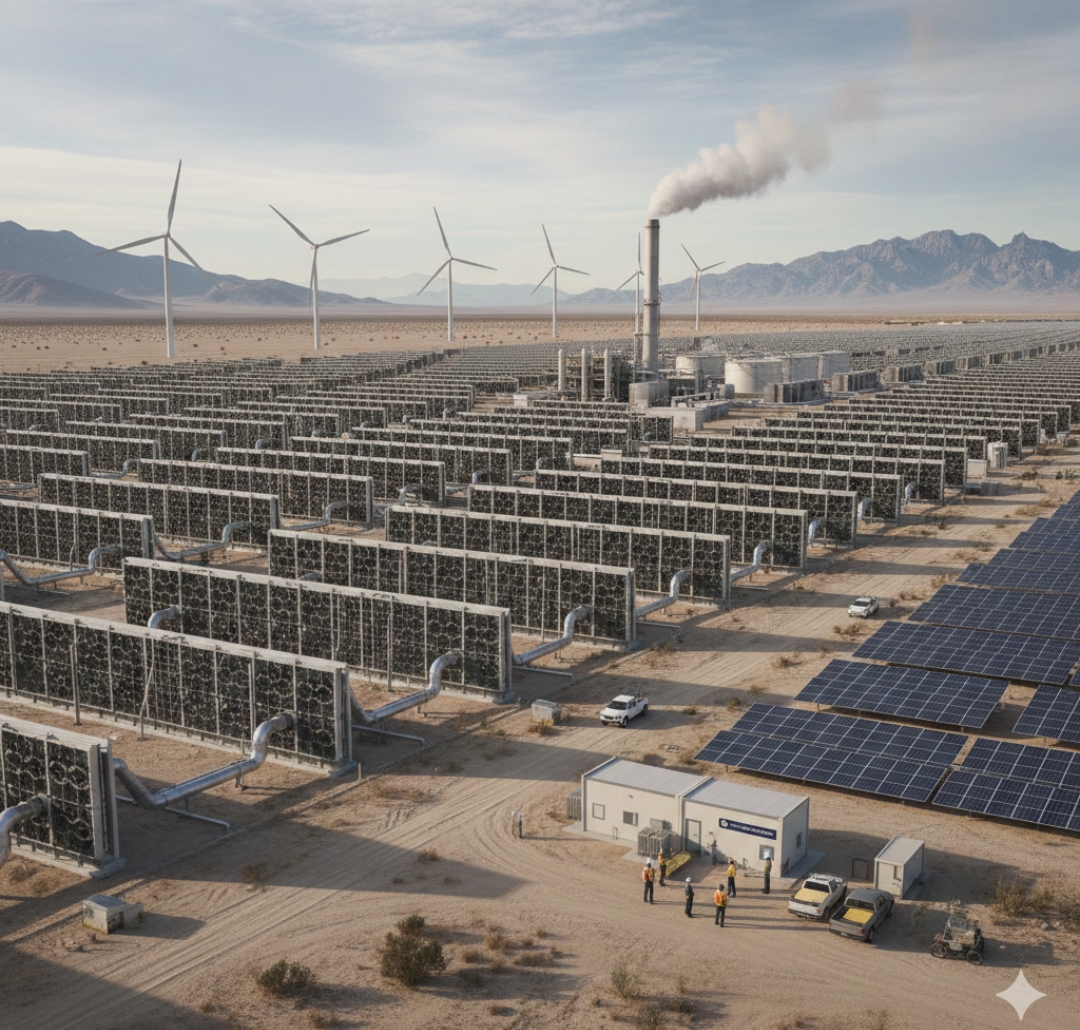
DAC systems are like giant air filters that chemically scrub CO2
directly from the ambient air.
The captured CO2
can then be permanently stored deep underground (Storage) or used in products like concrete, fuels, or beverages (Utilization).
While this technology is to meet our climate goals it should not be seen as the end of all because the infrastructure is expensive and the impact on a huge scale is still researched
DAC carbon capture and storage gives people ideas that we have a pass to keep removing CO2 emissions from the atmosphere and takes pressure off of using fossil fuels.Because in this way fossils will continuously get created
CCS is the process of capturing CO2 emissions from large sources, such as power plants or steel factories, before they enter the atmosphere. The CO2 is then compressed and transported, typically via pipelines, to be injected into deep geological formations (like depleted oil/gas reservoirs or saline aquifers) for permanent storage.
Decarbonizing the power sector by replacing fossil fuels with clean alternatives is a primary driver of environmental change.
Green Hydrogen is produced by splitting water H2O into hydrogen H2 and oxygen O2 using an electrolyzer powered exclusively by renewable electricity (like solar or wind). Significance: Hydrogen is a versatile, zero-emission fuel and industrial feedstock, vital for decarbonizing heavy transport (shipping, aviation), heavy industry (steel, ammonia), and long-term energy storage.
While lithium-ion batteries dominate for electric vehicles, new technologies like Flow Batteries and Solid-State Batteries are emerging. Significance: These systems are necessary to store large amounts of intermittent renewable energy (solar when the sun shines, wind when the wind blows) and then release it to the grid when needed, ensuring a stable, reliable clean energy supply.
Carbon sequestration is a natural or artificial process by which carbon dioxide CO2 is removed from the atmosphere and stored in a reservoir. This process is essential for mitigating climate change, as it reduces the concentration of greenhouse gases in the atmosphere.
The CO2 is compressed into a dense, liquid-like state and pumped thousands of feet beneath the surface into specific geological sites:
1. Saline Aquifers: Deep, porous rock layers filled with brine (saltwater). These are the most common and largest potential storage reservoirs.
2. Depleted Oil and Gas Reservoirs: Subsurface structures where oil and natural gas have already been extracted. The geology is proven to hold fluids securely.
3. Unmineable Coal Seams: Deep coal layers that are unsuitable for mining can absorb and hold CO2.
Containment: A non-porous layer of rock, called the caprock, sits above the storage layer to prevent the captured CO2 from migrating back up to the surface.
This is an advanced, durable, and highly selective Covalent Organic Framework designed for DAC. Its main benefits include high capture capacity, tolerance to moisture, and low-energy regeneration (it releases CO2 efficiently at only 60°C.
Unlike many other sorbent materials, COF-999's capacity for CO2 capture is high even in the presence of high humidity, a critical feature for real-world atmospheric conditions.
PLA (Polylactic Acid, from corn/sugarcane starch) and PHA (from bacterial fermentation) are plant-based plastics that can be compostable or biodegradable, offering a direct replacement for traditional fossil-fuel plastics.
This is the root structure of fungi grown on agricultural waste, producing a solid, compostable replacement for Styrofoam (polystyrene).
Materials like Sugarcane Bagasse (fibrous residue) are repurposed into fully biodegradable molded containers. Seaweed and Algae are also being used to create fast-growing, water-soluble, and sometimes edible packaging films.
Packaging inserts and trays made from 100% recycled paper and cardboard fibers that are fully recyclable and biodegradable.
Utilizing paper and boxes made with a high percentage of Post-Consumer Recycled (PCR) content to reduce demand for virgin resources and lower manufacturing energy use.
Leaves that naturally fall from certain palm trees, especially the Areca palm, are collected, cleaned, and sterilized. The sturdy sheaths (the base of the leaf) are then heat-pressed into durable, disposable plates, bowls, and containers. Benefit: They are naturally biodegradable, compostable, and use a 100% fallen agricultural waste product that requires no processing chemicals.
Imagine a sparkling lake at sunrise, the water reflecting the sky like glass, or a vibrant river teeming with life.
Now imagine that same beauty spoiled by floating plastic bottles, discarded nets, or other rubbish.
The truth is, our waterways need our care more than ever—and the good news is, helping is simpler than you think!
Rubbish in and near water doesn’t just look ugly—it harms the delicate ecosystems that countless plants and animals depend on. Fish can mistake plastic for food, birds get tangled in debris, and even humans feel the impact when polluted waters affect drinking supplies or recreation spots. Every piece of rubbish you pick up is a small but powerful act of protection for nature, wildlife, and the health of your community.
You don’t need fancy tools or years of experience.
A simple pair of gloves, a bag, and a little time can make a massive difference.
Gather friends, family, or neighbors and turn it into a mini adventure in the sun, protect the fish, and watch your efforts transform the shoreline.
Even 30 minutes can remove dozens of pieces of rubbish that would otherwise drift away, harming aquatic life.
By taking a few simple steps, you become a guardian of our waters.
Every bottle picked, every wrapper removed, is a gift to nature—and to future generations who will enjoy the beauty you helped preserve
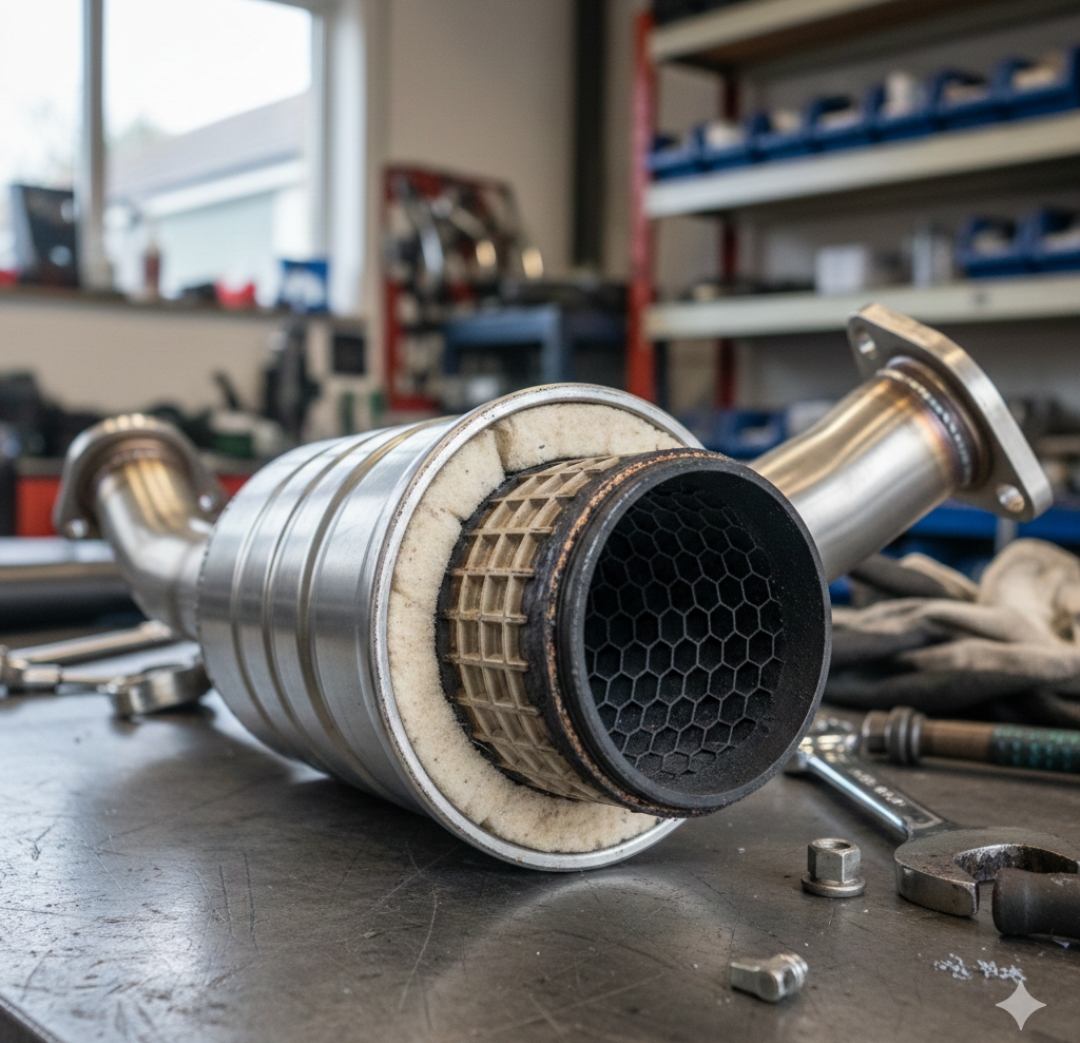
A catalytic converter is a device installed in cars, trucks, and buses that reduces harmful carbon emissions from exhaust gases. It acts like a filter and a chemical cleaner for the harmful gases that vehicles produce when burning fuel.
Platinum, palladium, and rhodium act as catalysts.
They trigger chemical reactions that convert toxic gases into safer ones
Environment-Friendly – decreases greenhouse gases slightly, supporting cleaner air.
Reduces Air carbon emissions – lowers smog and toxic fumes.
Next time you enjoy ice cream, skip the plastic cup and go for an edible cone!
Delicious & Crunchy – your cup doubles as a tasty treat.
Zero Plastic Waste – help keep oceans and streets clean.
Eco-Friendly Fun – small change, big impact for the planet.
Remember: Every edible cone is a step towards a cleaner, greener world!
Mining is becoming cleaner, smarter, and more sustainable.
Around the world, scientists and engineers are developing new ways to extract minerals without destroying ecosystems or polluting the air and water.
Bio-mining uses natural bacteria to break down rocks and release valuable metals like copper, gold, and rare earths.
Benefits:
No need for toxic chemicals like cyanide
Very low energy usage
Works even on low-grade ores
It’s one of the cleanest innovations in mining today.
Instead of creating large open pits, miners pump eco-friendly solutions underground to dissolve minerals and then extract them through pipes.
Benefits:
Almost no surface disturbance
No blasting or large waste piles
Lower emissions from machinery
Used for uranium, copper, lithium, and more.
Replacing diesel trucks and machinery with electric or hydrogen-powered fleets dramatically reduces CO₂ emissions and air carbon emissions
Benefits:
Zero exhaust fumes
Much quieter
Reduces operational emissions by up to 80%
Many modern mines are moving toward fully electric operations.
Traditional mining uses enormous amounts of water. New methods allow minerals to be separated without water, using:
Air jets
Sensors
Electric fields
Magnetic sorting
This protects rivers, reduces chemical runoff, and saves water in drought-prone areas.
Uses solar, wind, or hybrid microgrids instead of fossil fuels.
Benefits:
Cuts carbon footprint of mining operations.
Reduces reliance on diesel generators.
Drones, AI, and sensors target only mineral-rich zones.
Benefits:
Reduces unnecessary digging and waste.
Cuts fuel use and protects surrounding ecosystems.
Recycling is one of the simplest yet most powerful actions we can take to protect the environment.
At its heart, recycling is about giving materials a second life—transforming waste into new products instead of allowing it to pile up in landfills or pollute our surroundings.
Every bottle, can, paper sheet, or piece of plastic that gets recycled reduces the demand for new raw materials, saves energy, and cuts down the carbon emissions that come from producing items from scratch.
It’s a cycle that benefits both people and the planet.
One of the most inspiring aspects of recycling is how it turns everyday habits into meaningful change.
When we sort our waste properly, we help ensure materials like aluminum, glass, and cardboard can be processed efficiently and turned into something useful again.
Imagine a plastic bottle returning as part of a new jacket, or a stack of old newspapers becoming fresh, crisp packaging. These transformations happen every day, all thanks to simple decisions made at home, in schools, or in workplaces.
Recycling also plays a major role in reducing pollution. By keeping waste out of oceans, rivers, and communities, we help protect wildlife and preserve natural ecosystems.
Plastics that could take hundreds of years to break down are instead captured and reprocessed, preventing long-term environmental harm.
This means cleaner air, safer water, and healthier places for future generations to enjoy.
Beyond its environmental benefits, recycling fosters a culture of responsibility and innovation.
Cities and industries are continuously developing better ways to collect, sort, and repurpose materials—leading to new jobs, advanced technologies, and more sustainable products.
When communities embrace recycling, they spark a chain reaction of positive change that extends far beyond their own neighborhoods.
Ultimately, recycling is more than a task; it’s a mindset.
It reminds us that waste is not just “trash” but a resource waiting to be reused.
With every item placed in the right bin, we help build a cleaner, smarter, and more hopeful future for the planet.
By treating waste as opportunity, recycling becomes a simple action with an extraordinary impact.